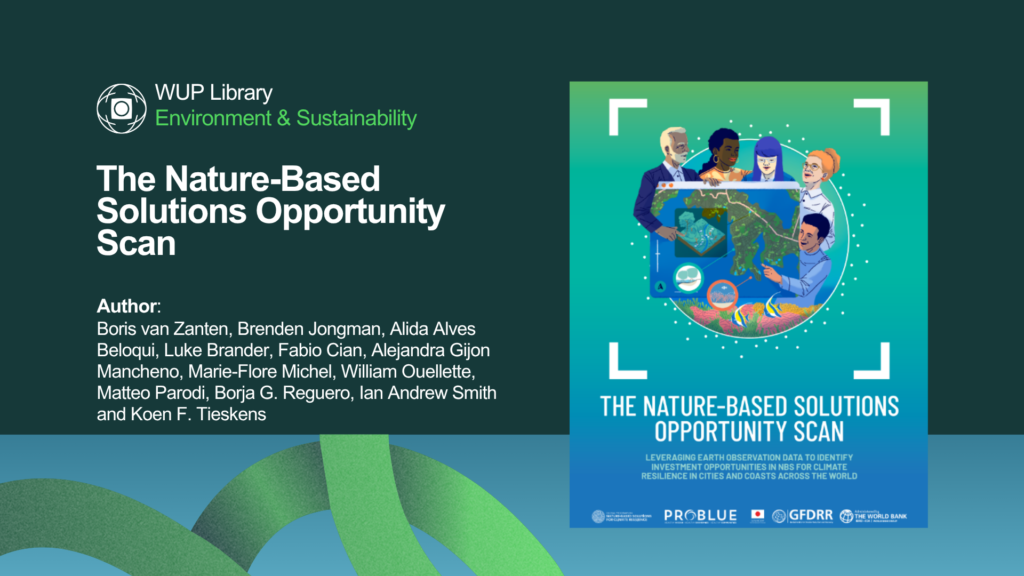
The Nature-Based Solutions Opportunity Scan provides a strategic framework for identifying where nature can deliver climate, resilience, and community benefits at scale. The document positions nature-based solutions (NbS) not as isolated environmental projects, but as cross-cutting investments that address flooding, heat, biodiversity loss, water security, and social wellbeing simultaneously. By scanning ecological, economic, and urban...
Category: <span>Environment & Sustainability</span>
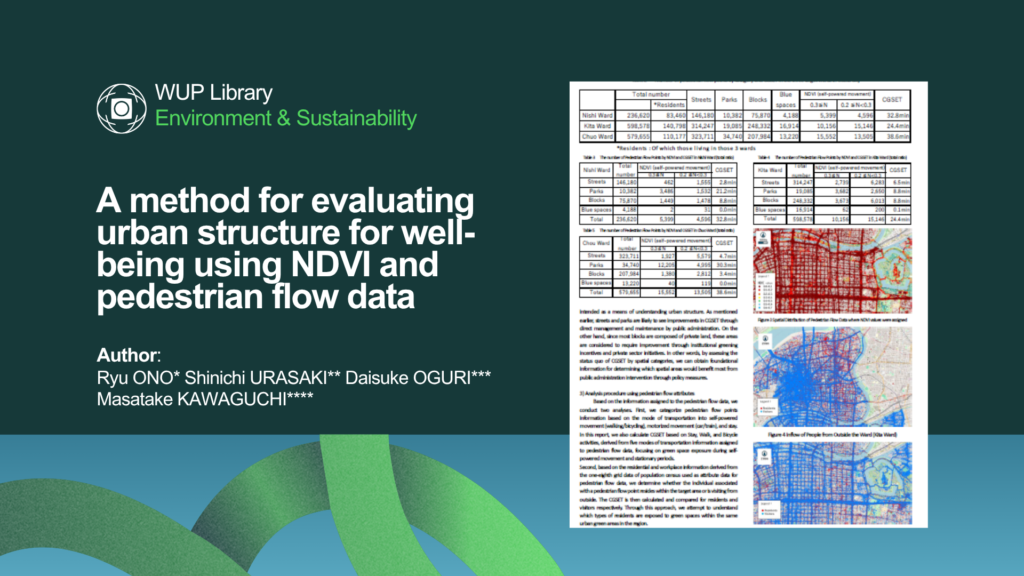
A Method for Evaluating Urban Structure for Well-Being Using NDVI and Pedestrian Flow Data
This research introduces an innovative framework for understanding how urban greenery influences human well-being by combining satellite-derived vegetation data (NDVI) with large-scale pedestrian flow analysis. Moving beyond traditional measurements of park size or canopy coverage, the study develops the Cumulative Green Spaces Exposure Time (CGSET) indicator, which evaluates how long people are exposed to greenery...
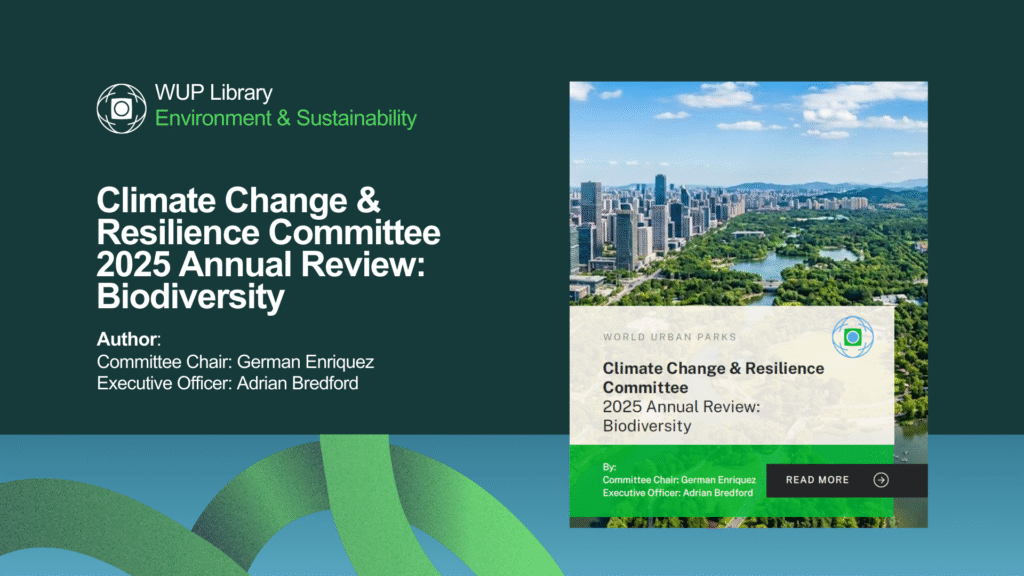
Climate Change & Resilience Committee 2025 Annual Review: Biodiversity
The Climate Change & Resilience Committee 2025 Annual Review: Biodiversity presents a comprehensive exploration of how climate change is intensifying biodiversity loss and reshaping urban and peri-urban ecosystems worldwide . Through insights shared during the Committee’s annual webinar, the publication underscores the accelerating pressures facing parks and natural areas—from shifting species ranges and altered migration...
Handbook on Urban Heat Management in the Global South
The Handbook on Urban Heat Management in the Global South outlines an urgent call to confront rising urban temperatures that are reshaping daily life, straining infrastructure, and heightening inequality. Developed by the World Bank with UN-Habitat and UNEP, the publication explains how climate change and dense urbanization intensify heat exposure—especially for vulnerable communities with limited...
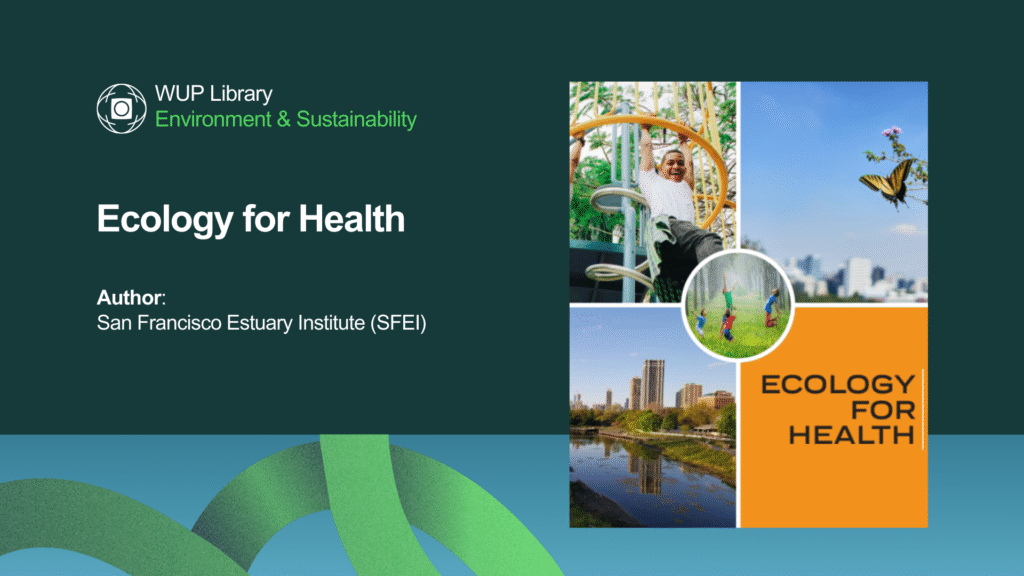
Ecology for Health
Ecology for Health offers a science-based framework for designing urban environments that nurture both biodiversity and human well-being. Developed by the San Francisco Estuary Institute with support from the Robert Wood Johnson Foundation, the guide integrates ecological science, public health, and urban design to provide practical strategies for planning and managing greener, healthier cities. It...
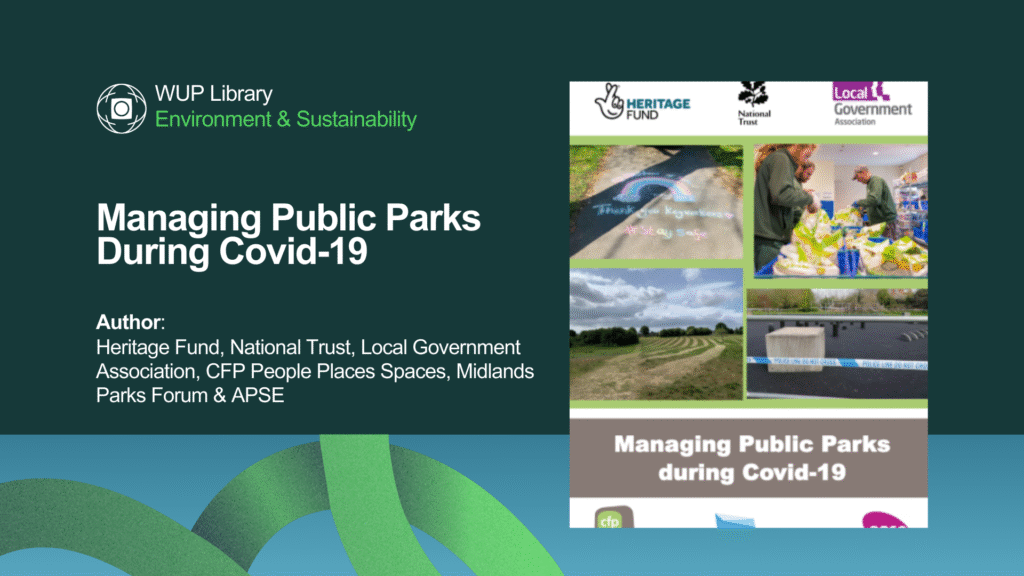
Managing Public Parks During Covid-19
Managing Public Parks During Covid-19 is a comprehensive guidance document developed collaboratively by leading UK park and heritage organizations to support local authorities in navigating the challenges of maintaining public parks during the pandemic. The report presents a detailed framework linking the reopening of parks to the UK Government’s Covid-19 alert levels, offering practical strategies...
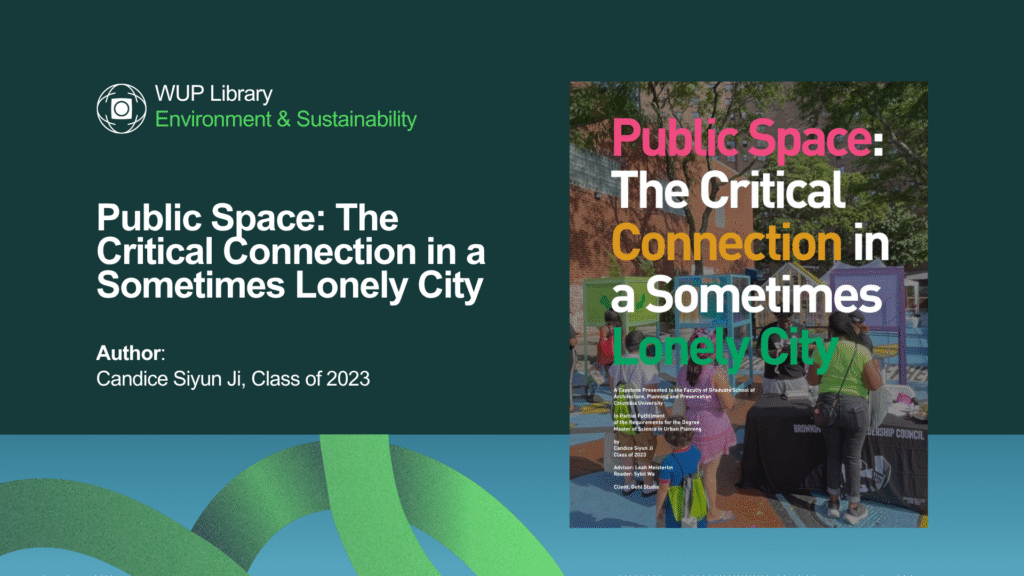
Public Space: The Critical Connection in a Sometimes Lonely City
Public Space: The Critical Connection in a Sometimes Lonely City is a reflective exploration of how urban environments shape human connection, belonging, and mental well-being.
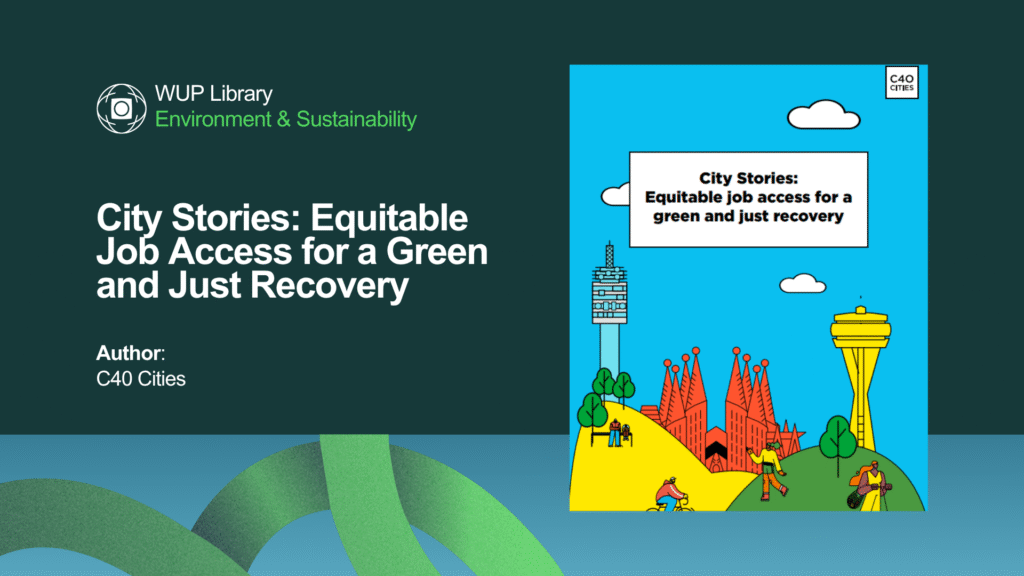
City Stories: Equitable Job Access for a Green and Just Recovery
City Stories: Equitable Job Access for a Green and Just Recovery by C40 Cities explores how urban leaders worldwide are ensuring that the transition toward a low-carbon future is also fair, inclusive, and opportunity-driven.
Adapting to Climate Change
Adapting to Climate Change by Plante & Cité explores how cities can harness the power of nature to build resilience against rising temperatures, urban heat islands, and extreme weather events.
Improving Access to Greenspace
Public Health England shows how quality greenspaces boost health, cut inequalities, build resilience, and foster social cohesion in communities.
- 1
- 2