ICLEI Canada’s Equitable Climate Adaptation guides local governments to embed equity in climate planning, protecting vulnerable communities from risks.
Post
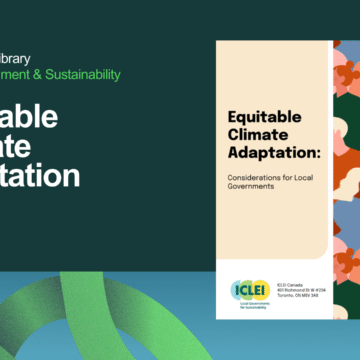
ICLEI Canada’s Equitable Climate Adaptation guides local governments to embed equity in climate planning, protecting vulnerable communities from risks.
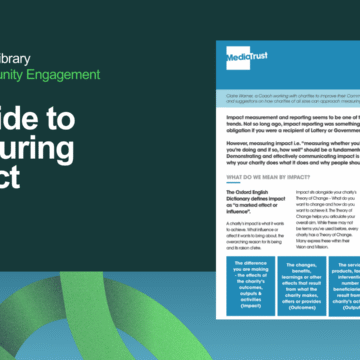
Media Trust’s A Guide to Measuring Impact helps organizations define outcomes, choose indicators, and use data to show real change in communities.
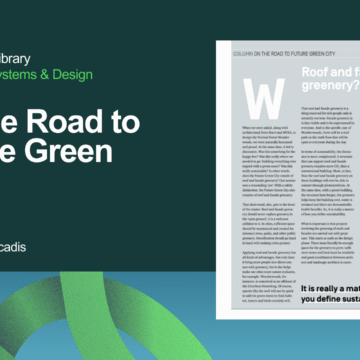
John Boon advocates adding roof and facade greenery to cities, boosting biodiversity, cooling, water retention, health, and public access to nature.
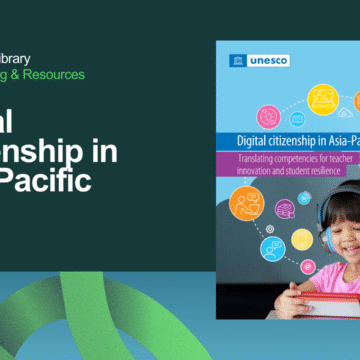
UNESCO’s Digital Citizenship in Asia-Pacific guides educators to build students’ skills, values, and resilience for safe, responsible online engagement.
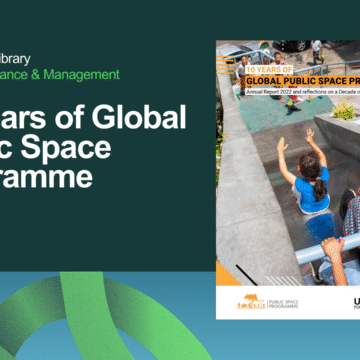
UN-Habitat’s 10 Years of Global Public Space Programme shows how safe, inclusive spaces boost economies, safety, and community worldwide.
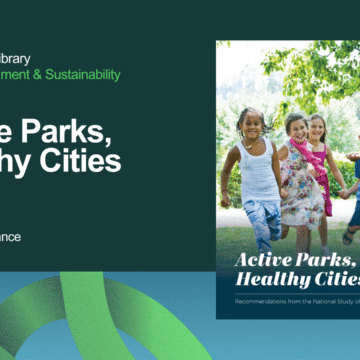
Active Parks, Healthy Cities shows how accessible, inclusive parks boost health, reduce stress, build community, and strengthen urban resilience.
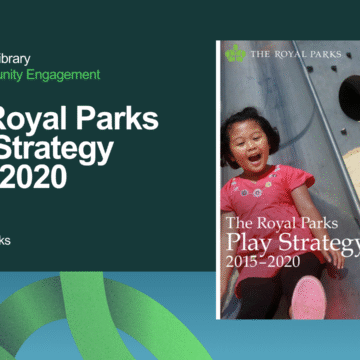
The Royal Parks’ Play Strategy 2015–2020 reimagines play, blending playgrounds with natural “playable places” to inspire children’s growth across 5,000 acres.
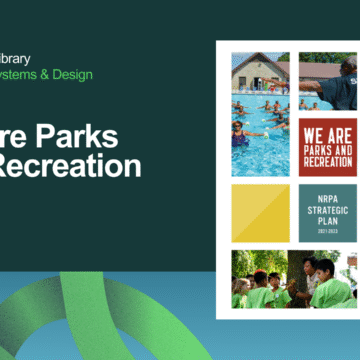
We Are Parks and Recreation reviews the 2021–2023 NRPA Plan, showing how parks became vital to health, equity, and resilience during the COVID-19 pandemic.
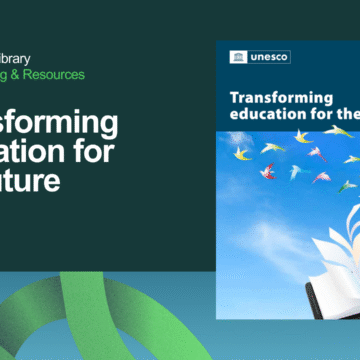
UNESCO’s Education 2030 agenda calls for quality education for all, prioritizing Africa and gender equality, as a key to improving lives and the planet.

Weed control is a challenge for cities and parks. Alternatives to Herbicides explores non-chemical methods that protect biodiversity and public health.


Level 1 29 Brandon Street
Wellington 6022, New Zealand
📞 +1 780 644 6976