This paper, published by the “World Resources Institute” discusses how the Latin American and Caribbean region is on the verge of transitioning from experimenting with nature-based solutions (NBS) to adopting them on a much broader scale that can transform infrastructure planning and investments for the better.
Category: <span>Articles and documents</span>
Heat Resilient Cities: Measuring Benefits of Urban Heat Adaptation
The C40 Cities Climate Leadership Group posted on its webpage information regarding the impact that temperatures have on cities.
How to adapt your city to extreme heat
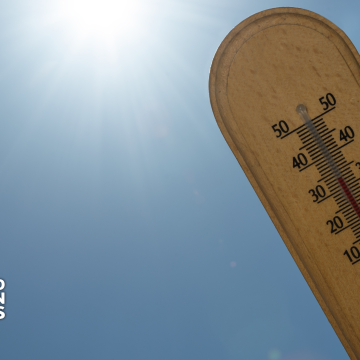
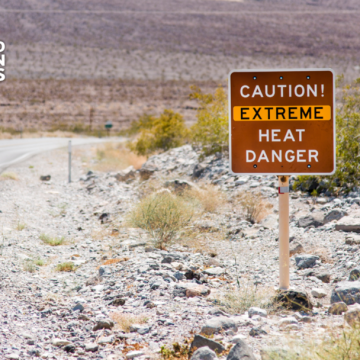
This article is written by C40 Cities Climate Leadership Group and C40 Knowledge Hub, and it mentions that Heatwaves are a significant but widely underestimated risk. Extreme heat events in cities can cause mortality spikes of up to 14%, lower workforce productivity, and damage roads and rail lines.
Planting more trees in cities could cut deaths from summer heat, says study
The article published in the Guardian online newspaper is a study realized by a team at the Barcelona Institute for global health (ISGlobal) suggests that Planting more trees could mean fewer people die from increasingly high summer temperatures in cities.
What Makes Neighborhood-level Climate Action Work?
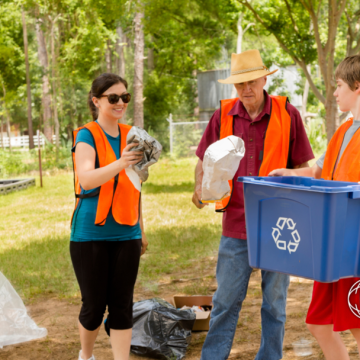
This article was written by Laureen Fagan and published on the Good Men Project weblog. It explains that Neighborhood-level action on climate change is evolving, and it’s not just about green space and gardens anymore. From community-level planning for renewable energy to building efficiency or waste management, neighborhood associations within the web of a city’s structure are stepping up to deliver climate solutions.
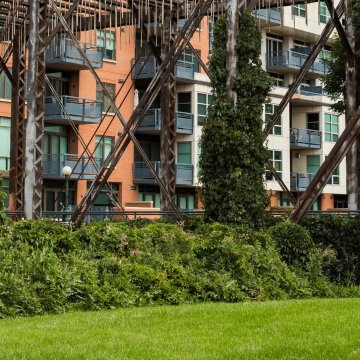
Why turning old city bridges into new urban parks is such a great idea
Post-pandemic, finding innovative ways to eke out accessible green spaces in the urban environment is more urgent than ever.
Spending time in nature may protect against the risk of dementia.
Spending time in nature, even as little as two hours a week, has been linked to several health benefits.
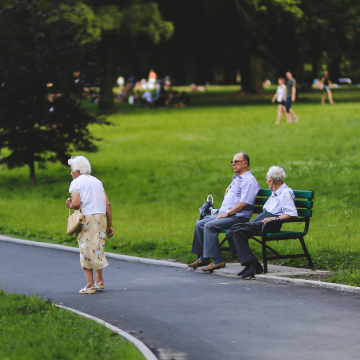
What makes a walkable city
If, during the 20th century, the aim in cities was to make space for private vehicles, one of the challenges of the 21st century is to correct that self-destructive trend. The proximity city, also known as a walkable city, emerged as an essential town-planning tool to improve residents' quality of life and reduce their impact.
The Symbiotic City
On this occasion, we're inviting you to read the article "The symbiotic city" written by Marian Stuiver and posted on The IFME "International Federation of Municipal Engineering" Which provides interesting facts and thoughts about the benefit of merging nature with our way of living.
Creating a vision of the future from the legacy of the past
We continue to face ever increasing numbers of extreme weather events, severe losses in biodiversity, massive displacement, and migration of global peoples, and many are not able to access basic quality community infrastructures such as neighborhood parks.