“Sponge cities” describes urban areas with significant natural areas such as trees, lakes, and parks or other good designs intended to absorb rain and prevent flooding.
Post
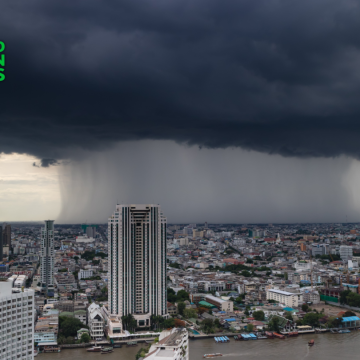
“Sponge cities” describes urban areas with significant natural areas such as trees, lakes, and parks or other good designs intended to absorb rain and prevent flooding.
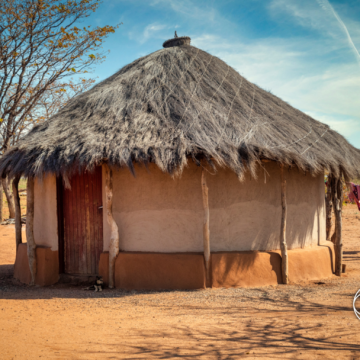
CityRAP is a tool creator by DiMSUR that develops relevant and innovative tools to improve local, national, and sub-regional capacities for reducing vulnerability and building the resilience of communities to natural and other hazards in the southern African region and beyond.
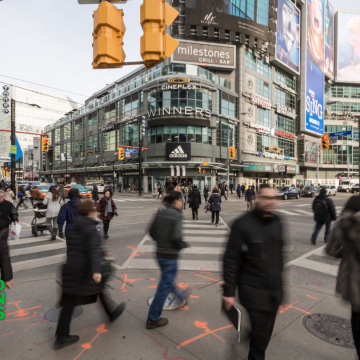
URBACT Thematic Programme Expert Iván Tosics and URBACT Lead Experts Roland Krebs, Claus Köllinger, and Béla Kéz are the authors of this guidebook. Which brings together good practices from across the EU with the latest urban trends, to fill the gaps and ensure that the learning is within everyone's reach.
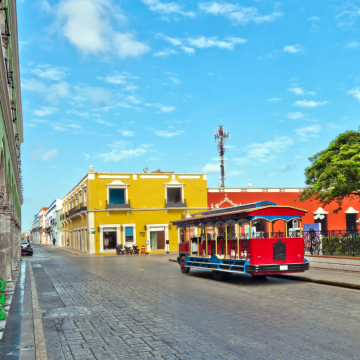
This paper, published by the “World Resources Institute” discusses how the Latin American and Caribbean region is on the verge of transitioning from experimenting with nature-based solutions (NBS) to adopting them on a much broader scale that can transform infrastructure planning and investments for the better.
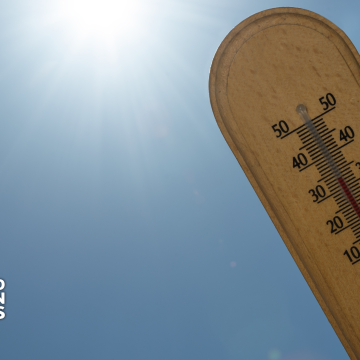
The C40 Cities Climate Leadership Group posted on its webpage information regarding the impact that temperatures have on cities.
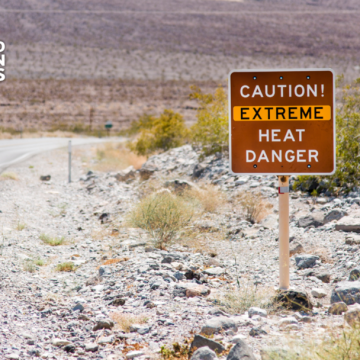
This article is written by C40 Cities Climate Leadership Group and C40 Knowledge Hub, and it mentions that Heatwaves are a significant but widely underestimated risk. Extreme heat events in cities can cause mortality spikes of up to 14%, lower workforce productivity, and damage roads and rail lines.
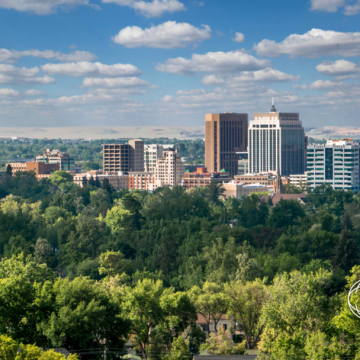
The article published in the Guardian online newspaper is a study realized by a team at the Barcelona Institute for global health (ISGlobal) suggests that Planting more trees could mean fewer people die from increasingly high summer temperatures in cities.
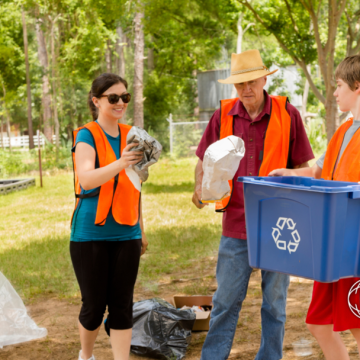
This article was written by Laureen Fagan and published on the Good Men Project weblog. It explains that Neighborhood-level action on climate change is evolving, and it’s not just about green space and gardens anymore. From community-level planning for renewable energy to building efficiency or waste management, neighborhood associations within the web of a city’s structure are stepping up to deliver climate solutions.
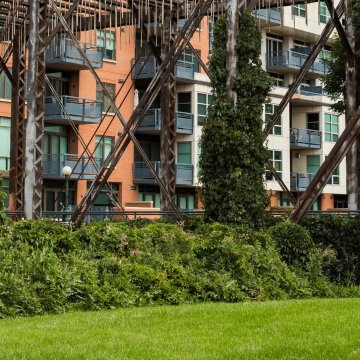
Post-pandemic, finding innovative ways to eke out accessible green spaces in the urban environment is more urgent than ever.
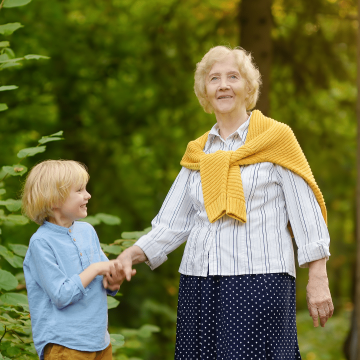
Spending time in nature, even as little as two hours a week, has been linked to several health benefits.


Level 1 29 Brandon Street
Wellington 6022, New Zealand
📞 +1 780 644 6976